
Florida Home Inspection SOP
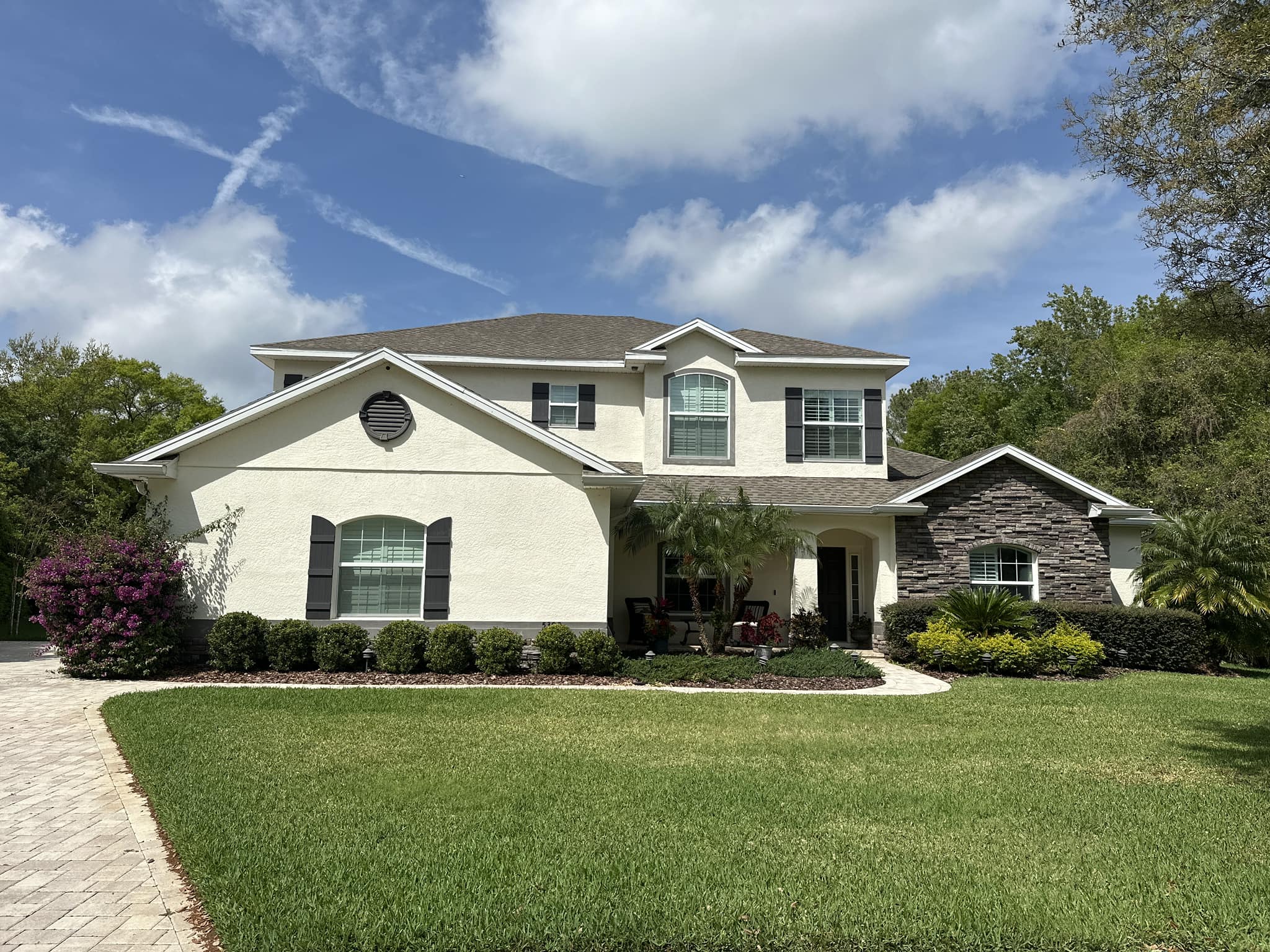
Core Systems We Inspect
Structural Integrity
We visually inspect the foundation, floors, walls, ceilings, and roof structure. We also probe areas where we suspect rot or deterioration.
Electrical Systems
We inspect the service entrance, main & sub-panels, visible wiring, and all over-current protection. We also test GFCIs, AFCIs, and smoke detectors.
HVAC
We inspect all heating and cooling equipment, including ductwork, air distribution, and vent systems throughout the home.
Plumbing
We evaluate the water supply system, drain and vent lines, water heating equipment, and accessible fuel shut-off valves.
Interior Components
We visually inspect walls, ceilings, floors, and stairs. In addition, we test a representative number of doors, windows, and appliances.
Exterior & Site
We visually inspect the home’s cladding, trim, decks, and porches. Furthermore, we assess site grading and drainage that may affect the structure.

Roofing & Attics
We thoroughly examine roof coverings, flashings, skylights, and all roof penetrations. In addition, we check accessible attics for proper ventilation, insulation levels, and signs of moisture intrusion or structural compromise.
Wherever it is safe to do so, we physically access the roof — because a ground-level view is simply not enough. However, when conditions prevent safe access, we deploy our FAA-certified drone to complete a full aerial inspection instead.

Limitations of the Inspection
Future Predictions
We report on conditions at the time of inspection. As a result, we cannot predict future failures or changes in condition.
Hidden Deficiencies
We do not move furniture, appliances, or stored items. Therefore, we cannot inspect what those items conceal.
Inaccessible Areas
We do not enter crawlspaces or attics that are unsafe or lack sufficient clearance to move through safely.
Specialized Systems
We exclude security alarms, automatic control systems, irrigation, and solar systems unless we specifically agree to include them beforehand.
Destructive Testing
We do not operate any system or perform any test that, in our judgment, could cause damage to the property.

Professional Recommendations
Florida State Requirement — Full Standards of Practice
Florida Standards of Practice for Home Inspectors
As required by Florida Administrative Code Chapter 61-30
The following standards define the minimum requirements for a home inspection in the State of Florida. These standards are intended to provide the client with information regarding the overall condition of installed systems and components at the time of the inspection. The inspector will report on components that are significantly deficient or near the end of their service life and provide recommendations for correction or further evaluation.
1. Structural Systems
- The inspector shall inspect: Visible foundation, floor structure, wall structure, ceiling structure, roof structure, and foundation ventilation.
- The inspector is not required to: Provide engineering or architectural services, or offer an opinion on the adequacy of any structural system.
- Access: Entry into crawlspaces or attics is not required if the inspector determines conditions are unsafe, unsanitary, or have inadequate clearance.
2. Electrical Systems
- The inspector shall inspect: Service entrance conductors, main disconnects, grounding, panels, conductors, overcurrent protection, and a representative number of lighting fixtures, switches, and receptacles.
- Safety Devices: The inspection includes Ground Fault Circuit Interrupters (GFCI), Arc Fault Circuit Interrupters (AFCI), smoke detectors, and carbon monoxide detectors.
- The inspector is not required to: Inspect remote controls, security alarms, low-voltage systems, generators, or solar collectors.
3. HVAC Systems
- The inspector shall inspect: Installed heating and air conditioning equipment, energy sources, vent systems, flues, chimneys, and air distribution components.
- Components: The inspection verifies the presence of condensate overflow warning or shutoff devices.
- The inspector is not required to: Determine heat/cooling supply adequacy, balance, or indoor air quality. Inspectors will not operate systems when ambient temperatures may cause damage.
4. Roof Covering
- The inspector shall inspect: Roofing materials, flashings, skylights, chimneys, roof penetrations, drainage systems, and attic ventilation/insulation.
- The inspector is not required to: Walk on the roof surface if the slope is excessive, access is unsafe, or if walking may damage the material.
- Note: The inspector is not required to disturb insulation.
5. Plumbing System
- The inspector shall inspect: Interior water supply and distribution piping, fixtures, faucets, drain/waste/vent systems, water heating equipment, and main shut-off valves.
- The inspector is not required to: Inspect wells, water conditioning systems, solar water heaters, fire sprinklers, irrigation, or private waste systems (septic).
- Testing: Inspectors are not required to test shower pans for leakage or operate safety/shut-off valves.
6. Interior Components
- The inspector shall inspect: Walls, ceilings, floors, stairs, railings, countertops, cabinets, doors, windows, and household appliances using normal operating controls.
- Fireplaces: Visible portions of fireplaces, solid fuel appliances, and their vent systems are included.
- The inspector is not required to: Inspect paint, wallpaper, window treatments, carpeting, or central vacuum systems.
7. Exterior Components
- The inspector shall inspect: Wall cladding/siding, flashing, trim, exterior doors, decks, balconies, porches, railings, eaves, soffits, fascias, and walkways or driveways leading to entrances.
- The inspector is not required to: Inspect screens, shutters, awnings, fences, outbuildings, swimming pools, seawalls, or docks.
8. Site Conditions (Affecting the Structure)
- The inspector shall inspect: Vegetation, grading, surface drainage, and retaining walls when these are likely to adversely affect the structure.
- The inspector is not required to: Inspect geological, geotechnical, or hydrological conditions, or erosion control measures.
General Limitations and Exclusions
A home inspection is not technically exhaustive and does not include the prediction of future conditions or the identification of concealed or latent defects. For a full text of the state requirements, please refer to Florida Statutes Chapter 468, Part XV and Rule 61-30, Florida Administrative Code.